National Aeronautics and Space Administration
Goddard Space Flight Center
Imagine the Universe!
Home
Science
Astronomer's Toolbox
Cosmic Objects
Big Questions
Featured Science
Observatories
Special Exhibits
Scientist Profiles
You Be the Astrophysicist
The Cosmic Distance Scale
Educators' Corner
Lesson Plans
Materials
Programs
Ask an Astrophysicist
Resources
Other Resources
Dictionary
Search
Educators' Corner
Educators' Corner
Educators' Corner
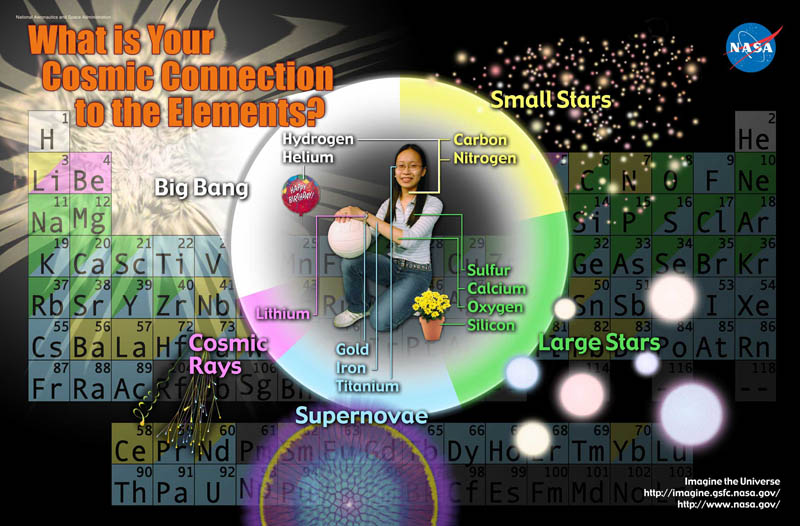
What is Your Cosmic Connection to the Elements?
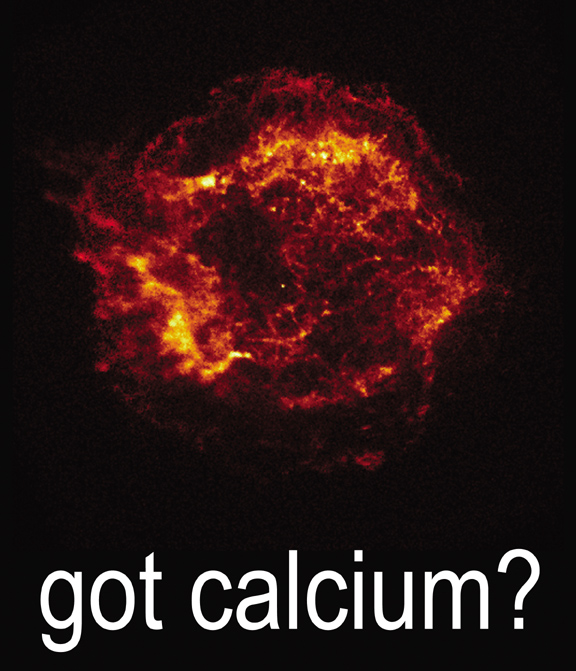
Got Calcium?
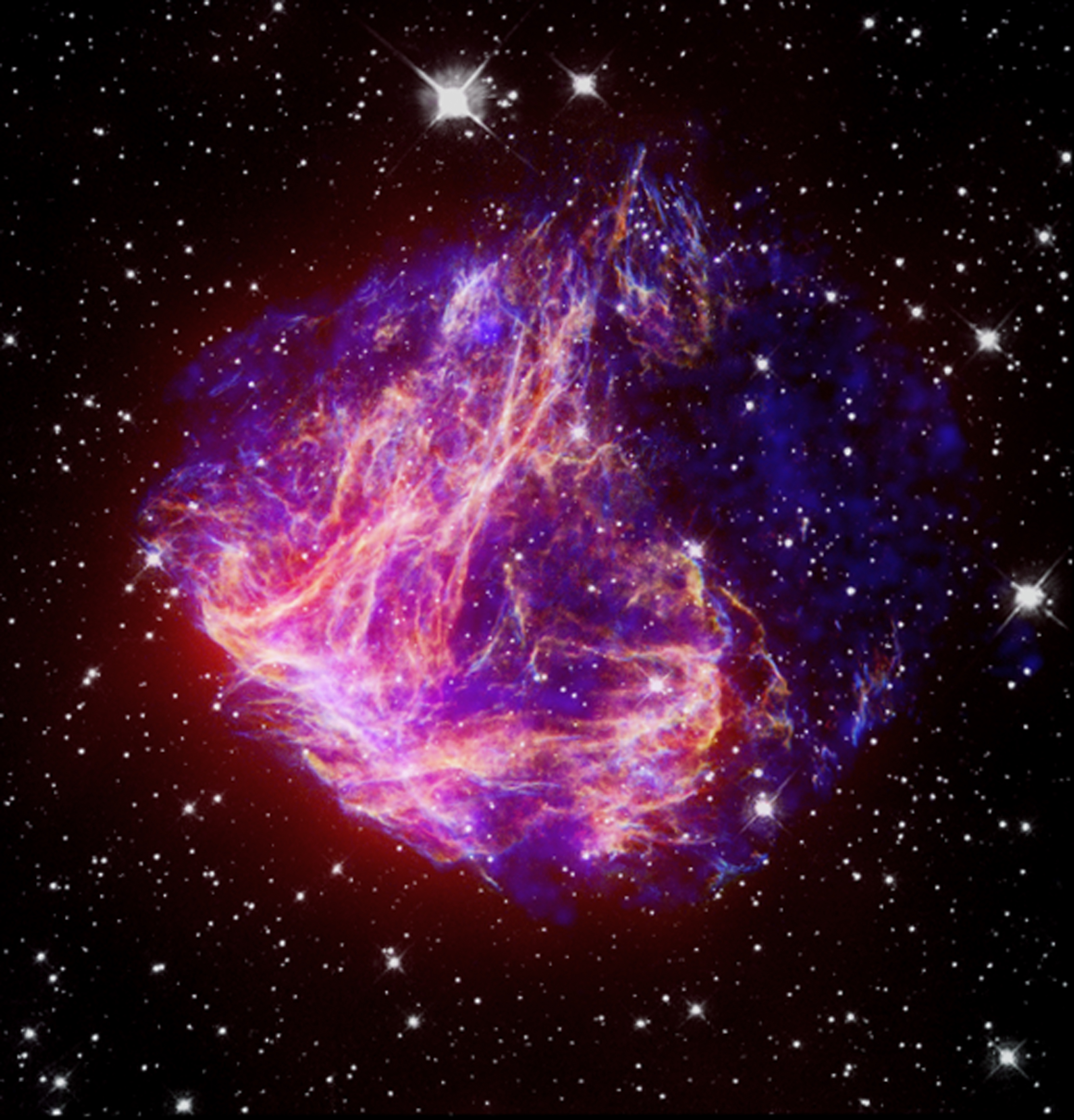
Supernova Chemistry
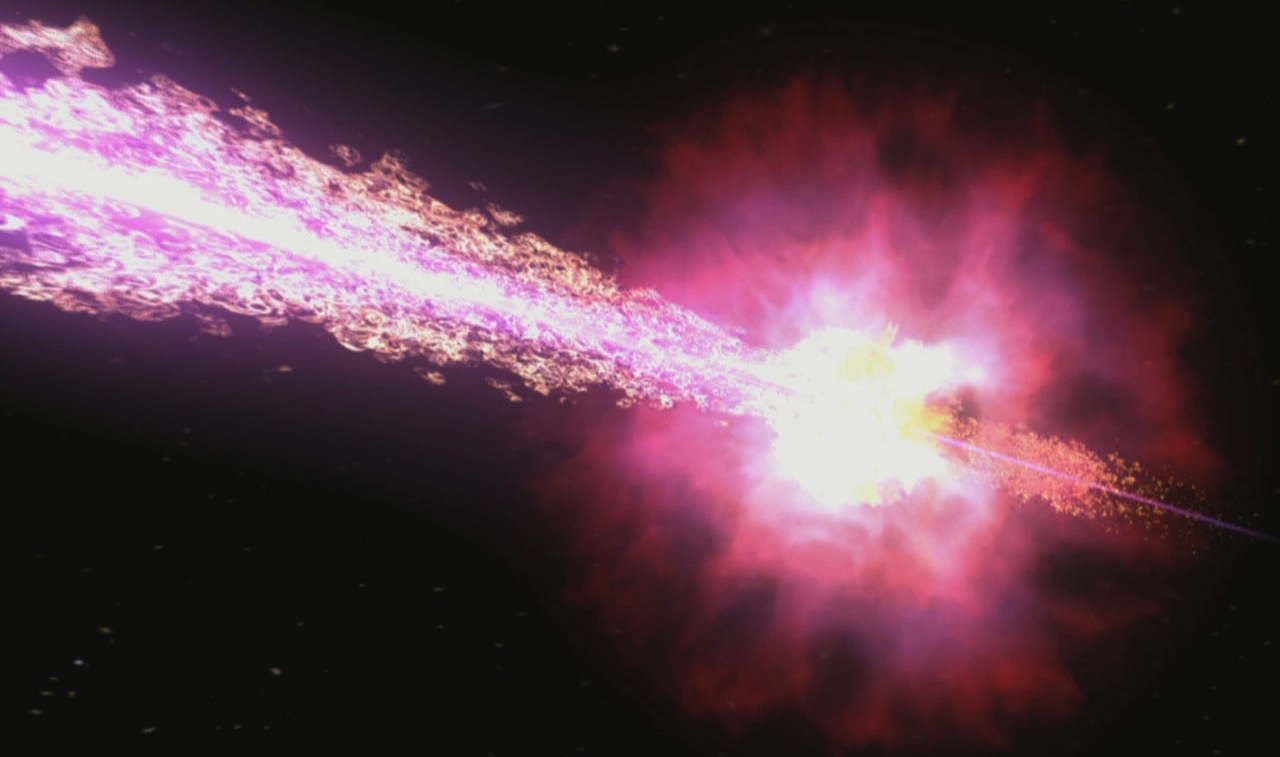
How Far? How Powerful?
Lesson Plans
Materials
Programs